
Real-time monitoring of particulate matter, gases and noise enables construction companies, engineering firms and public authorities to detect pollution events, identify potential sources and make data-driven decisions. Bettair is already applying this approach to major projects such as Parc de l’Alba, MadRing and the infrastructure for Milano-Cortina 2026.
Construction is one of the main drivers of change in our cities, but activities such as earthworks, excavation, demolition, materials transport and the operation of heavy machinery can generate airborne particulate matter, gaseous pollutants and high noise levels.
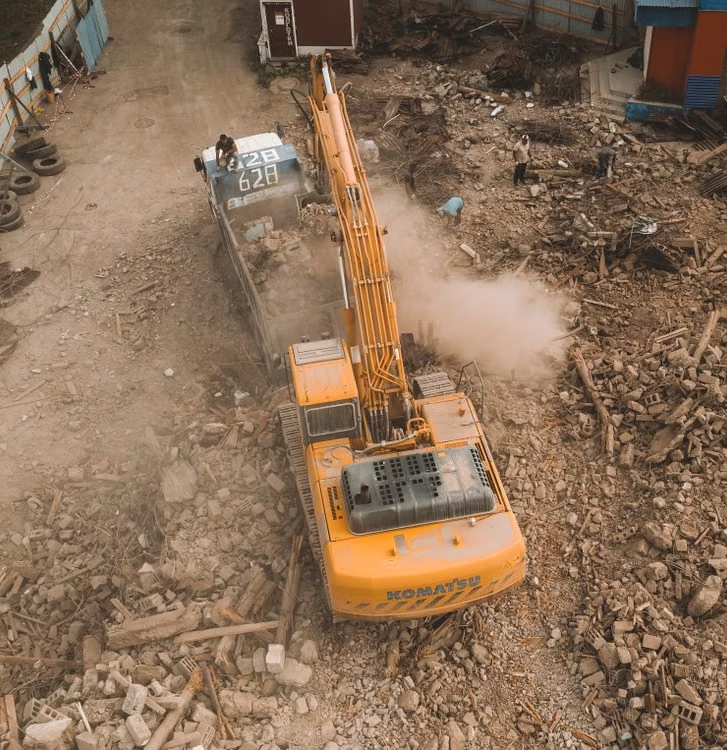
This impact is particularly significant when construction takes place in urban environments, near residential neighbourhoods, business areas or natural spaces.
In these settings, continuous pollution data helps teams understand the impact of construction work, detect incidents, respond more quickly and assess the effectiveness of the measures taken.
From reactive management to data-driven management
Emissions from a construction site can vary significantly throughout the day and depending on the activities taking place.
Earthworks can cause a short-term rise in particulate matter; certain operations can increase noise levels for several hours; and the movement of heavy machinery or vehicles can temporarily alter air pollutant concentrations.
Without continuous data, an incident may only be detected after it has occurred. In addition, when a complaint or pollution event arises, it can be difficult to determine what was happening at the time and what its potential source was. Continuous monitoring enables a shift towards data-driven pollution management, providing information to detect events, analyse their patterns and take action when necessary.
How Bettair helps manage pollution during construction
Bettair Cities has developed an IoT solution for continuously monitoring air and noise pollution throughout the different phases of a construction project.
bettair® devices can be configured to measure airborne particulate matter (PM1, PM2.5 and PM10), gaseous pollutants such as NO₂, O₃, NO, CO, SO₂, CO₂, H₂S, NH₃ or VOCs, noise pollution, temperature, relative humidity and atmospheric pressure.
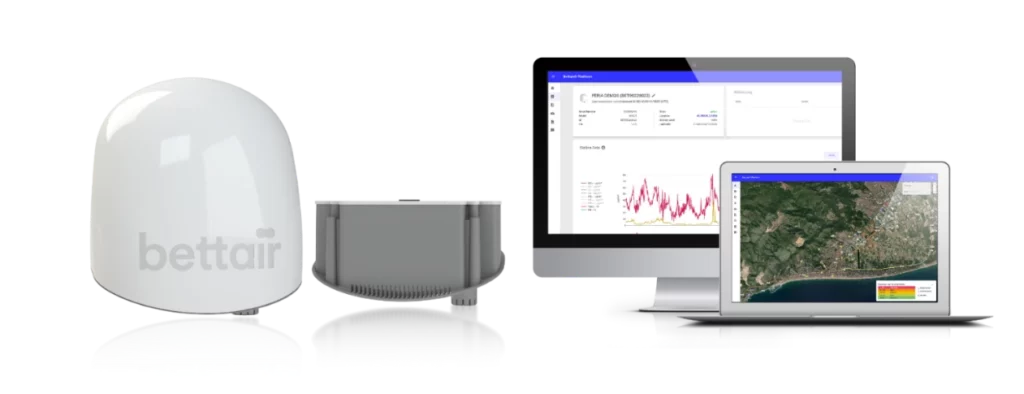
Data is transmitted in real time to the Bettair® digital platform, where project managers can view measurements, analyse trends, configure alerts and generate reports.
For example, a rise in particulate matter can prompt teams to step up mitigation measures such as damping down specific areas. If recurring noise events occur, teams can analyse the activities that coincide with them. The data can then be used to check whether the measures taken have been effective.
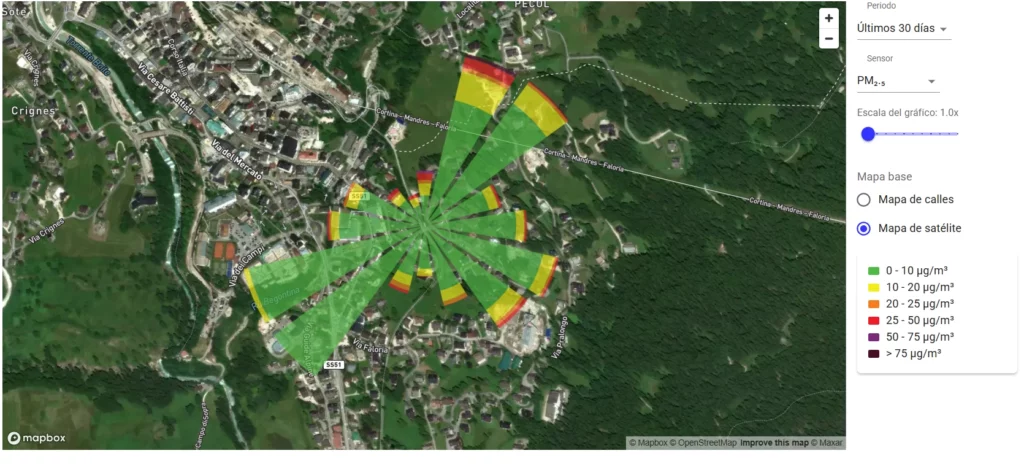
The devices can also be equipped with anemometers to record wind speed and direction. Combining this information with the measured concentrations makes it possible to generate pollution roses, which help analyse the potential origin of events and distinguish emissions associated with construction work from other external sources.
The aim is to turn monitoring into a tool for ongoing management:
Measure → Detect → Analyse → Act → Verify.
Data quality is also essential. bettair® devices meet Class 1 requirements under UNE-CEN/TS 17660-1:2021 for gaseous pollutants, according to tests carried out by SGS, an ENAC-accredited laboratory, and hold MCERTS certification for indicative monitoring of PM2.5 and PM10.
Bettair in action: three major construction projects
The use of this technology in real projects demonstrates how continuous monitoring can be integrated into the day-to-day management of very different construction sites.
Parc de l’Alba: monitoring more than 400 hectares of urban development
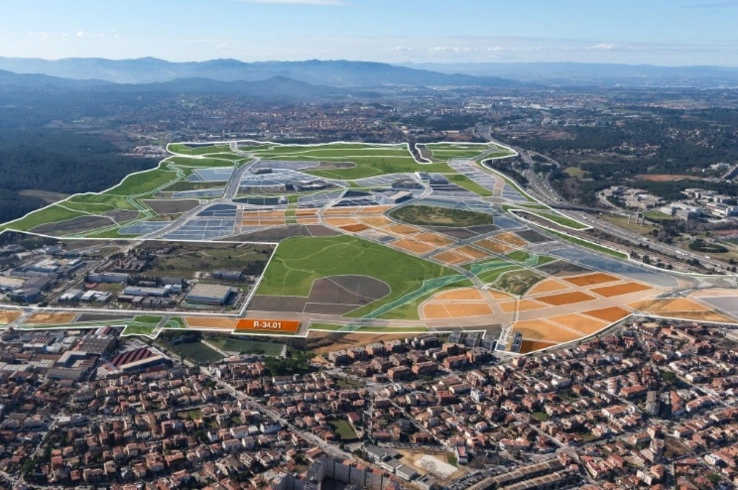
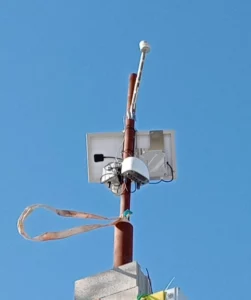
Parc de l’Alba, in Cerdanyola del Vallès, is one of the most significant urban developments in the Barcelona metropolitan area. Covering more than 400 hectares, it includes over 5,000 homes, business areas, green spaces and infrastructure supporting innovation and knowledge.
Its scale and integration with the natural surroundings of Collserola make continuous pollution monitoring particularly important throughout the different phases of urban development and construction.
A network of 5 Bettair devices was deployed to monitor PM1, PM2.5, PM10, NO₂, O₃ and noise, with anemometers also recording wind direction and speed.
The data is integrated into the Bettair platform, enabling teams to view conditions in real time, generate alerts, detect pollution or noise events and access data to implement corrective measures when necessary.
MadRing: control de la contaminación durante la construcción del circuito de F1 de Madrid
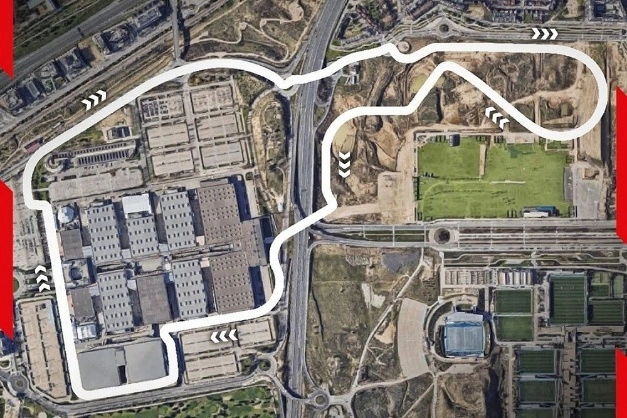
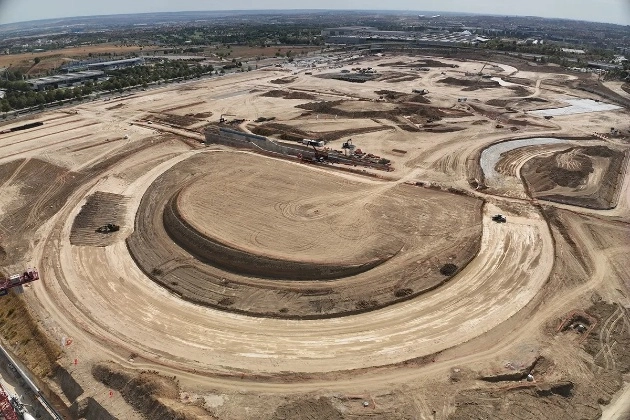
The construction of the new MadRing Formula 1 street circuit around IFEMA Madrid involves extensive earthworks, asphalt paving and infrastructure modifications in an urban area with high levels of economic activity and mobility.
The project, delivered by a consortium led by Acciona and Eiffage Construcción, requires monitoring of particulate matter generated by earthworks and machinery, air pollutants associated with traffic and construction activity, and noise levels.
A network of 6 Bettair nodes has been deployed at different points across the construction area. The devices monitor PM1, PM2.5, PM10, NO₂, O₃, noise, temperature, humidity and atmospheric pressure, transmitting data in real time to the Bettair platform.
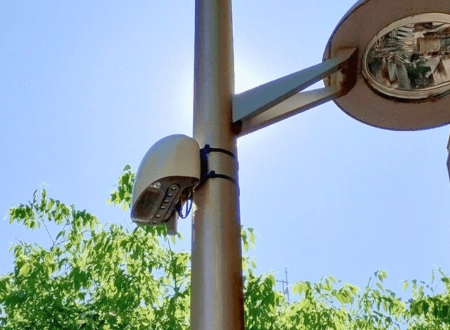
This makes it possible to assess the impact of construction work, detect pollution events and provide continuous information to support corrective measures when necessary.
Milano-Cortina 2026: monitoring during construction of Olympic infrastructure

Preparations for the Milano-Cortina 2026 Winter Olympic Games have required the development and renovation of numerous sports and transport facilities across several regions of northern Italy.
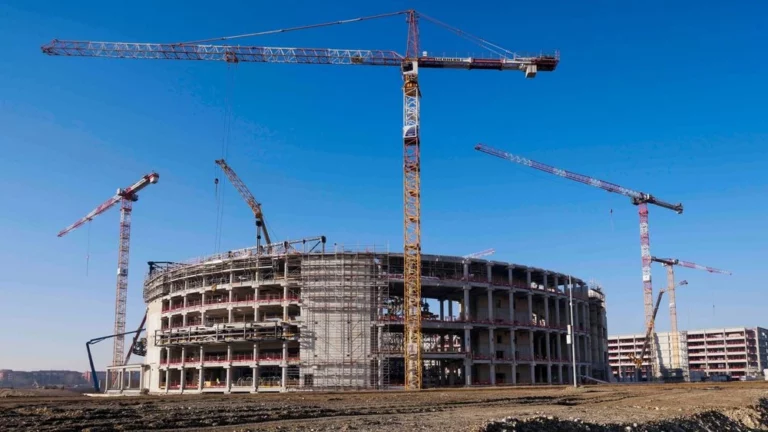
During these works, the main challenges include particulate emissions generated by earthworks, machinery and materials transport, the presence of gaseous pollutants, noise levels and the identification of potential emission sources.
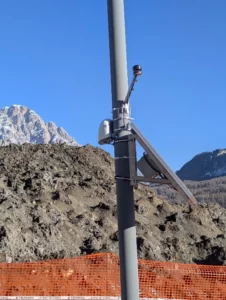
To address these challenges, a network of 5 Bettair devices was deployed to monitor PM1, PM2.5, PM10, NO₂, O₃ and noise, with anemometers also recording wind speed and direction.
Combining pollution data with meteorological conditions enables the use of pollution roses to identify potential emission sources. Data is transmitted in real time to the Bettair platform, providing information to improve management and decision-making throughout infrastructure development.
Data to support more sustainable construction
Parc de l’Alba, MadRing and Milano-Cortina 2026 represent three very different settings, but they share the same need: continuous information on pollution levels associated with construction work to better manage its impact.
Real-time monitoring enables a shift from spot checks to continuous, localised information that helps detect incidents, analyse potential emission sources, implement mitigation measures and subsequently verify their effectiveness.
For construction companies and engineering firms, it provides an additional tool to improve project management. For public authorities and environmental managers, it provides objective information on how construction work is progressing. For nearby communities, it helps minimise the pollution impact associated with the development of new infrastructure.
Construction work inevitably generates particulate matter, emissions and noise. The difference lies in how effectively we can measure, understand and manage them.
At Bettair, we turn real-time pollution data into useful information to help make construction more sustainable, transparent and responsible.